- Intellego Newsletter
- Posts
- Forgotten Art


“To conquer the anxiety of life, live in the moment, live in the breath.”
🎼 📖 Read Intellego #033 by listening to:
Importance
Have you ever lost your breath? I guarantee you it’s not a pleasant experience.
Now imagine a baby breathing for the first time. Infants use their diaphragm, the large muscle below the lungs, for breathing. We ought do the same.
Unfortunately, as we grow, our breathing becomes shallower and shallower.
Breathe in through your nose, exhale through your mouth. You’ve heard this many times at the gym. That’s the worst advice anyone could give you.
Note that I am not a specialist on the topic and I don’t intend to be one. My aim here is to share valuable insights that helped me on my journey.
The fact is we don’t know how to breathe. We sit for long hours, undergone too much stress, consume processed foods, have poor posture and do no exercises.
Modern world made us poor breathers and the sickest generation alive.
But what can we do to change this reality? Okay, let’s try once more...
Take a deep breath in, hold for 6 seconds and slowly take a breath out of your nose. You’ll notice your diaphragm moving downward and your abdomen expanding.
This is the most efficient breath-work method. Repeat it six times, or how many times needed throughout your day. I hope it serves you.
Breathing is essential to life. Only a few mastered this art. Oxygen in; carbon dioxide out. A proper functioning breathing is one of the most indicators of human health.
However, we experience a silent epidemic. Most adults may suffer from dysfunctional breathing. Meaning, we don’t breathe as we are supposed to. No wonder why we fall sick often.
Our facial structure no longer allows us to breathe properly, as we did hundreds of years ago. The environment we live in and the modern lifestyle we created in poison our body.
Conveniences, processed food and soft drinks. A diet full of sugar and flour weakens our jaws. Not to mention the decline in water, soil and air quality as we evolved as society.
That’s the price of progress. Or would you call it a throwback?
“The breath is the link between the mind and the body.”
Issues

Do you snore at night?
Are you a mouth breather?
Do you have recurrent respiratory congestion?
Do you wake up in the morning with a dry throat or thirsty?
If you said yes to one of these questions, it may be a sign to pay extra attention to your breathing patterns.
Learn and practice breath-work exercises. The pharmaceutical industry doesn’t want you to know this life hack.
But why should you and I care? Why does breathing impact us all? Here are three evidences:
Smaller lungs’ capacity is associated with shorter lifespan.
Improper breathing may cause chronic diseases.
ADHD, hyperactivity, psoriasis, and erectile dysfunction can be associated with irregular breathing patterns.
And there is more...
Poor breathing habits can trigger or worsen several key diseases and conditions. Here are some of them:
Chronic Obstructive Pulmonary Disease (COPD)
Gastroesophageal Reflux Disease (GERD)
Hypertension (High Blood Pressure)
Chronic Fatigue Syndrome (CFS)
Irritable Bowel Syndrome (IBS)
Weakened Immune Response
Acne and Skin Inflammation
Headaches and Migraines
Pelvic Floor Dysfunction
Cognitive Impairment
Back and Neck Pain
Anxiety Disorders
Sleep Disorders
Heart Disease
Sleep Apnea
Depression
Diabetes
Asthma
Poor breathing habits can contribute to or exacerbate a variety of diseases and health conditions as listed above.
When breathing is shallow, rapid, or irregular, it can have far-reaching effects on both physical and mental health.
Adopting breath-work techniques can help you mitigate these risks, promoting overall well-being.
“Your breath is your greatest ally in the pursuit of well-being and the prevention of disease.”
Benefits

Is breathing a poison or a remedy? The secret is in the dose and how you do it.
Breathing is a natural medicine. It enhances the delivery of oxygen to the body’s tissues, which is crucial for energy production, cellular repair, and overall vitality.
Correct breathing offers a wide range of benefits that can enhance physical, mental, and emotional well-being. Some of the most significant benefits include:
Stress Reduction: Proper breathing activates the parasympathetic nervous system, promoting relaxation and reducing stress. This can help to lower cortisol levels, reduce anxiety, and improve overall emotional well-being.
Improved Respiratory Function: Diaphragmatic breathing improves lung capacity. This can enhance respiratory efficiency, making it easier to take deep breaths and increasing the oxygen supply to the body.
Better Cardiovascular Health: Proper breathing can help to lower blood pressure, reduce heart rate, and improve circulation. This can reduce the risk of cardiovascular disease and improve heart health.
Enhanced Mental Clarity and Focus: Correct breathing ensures that the brain receives an adequate supply of oxygen, which is essential for mental clarity, focus, and cognitive function. This can improve concentration, memory, and overall mental performance.
Increased Energy Levels: Proper breathing enhances the body’s ability to deliver oxygen to the cells, which is crucial for energy production. This can lead to increased vitality, reduced fatigue, and improved physical performance.
Improved Digestive Health: By promoting relaxation and increasing blood flow to the digestive organs, proper breathing can improve digestion and reduce issues such as bloating, indigestion, and constipation.
“The way you breathe is the way you live.”
Exercises
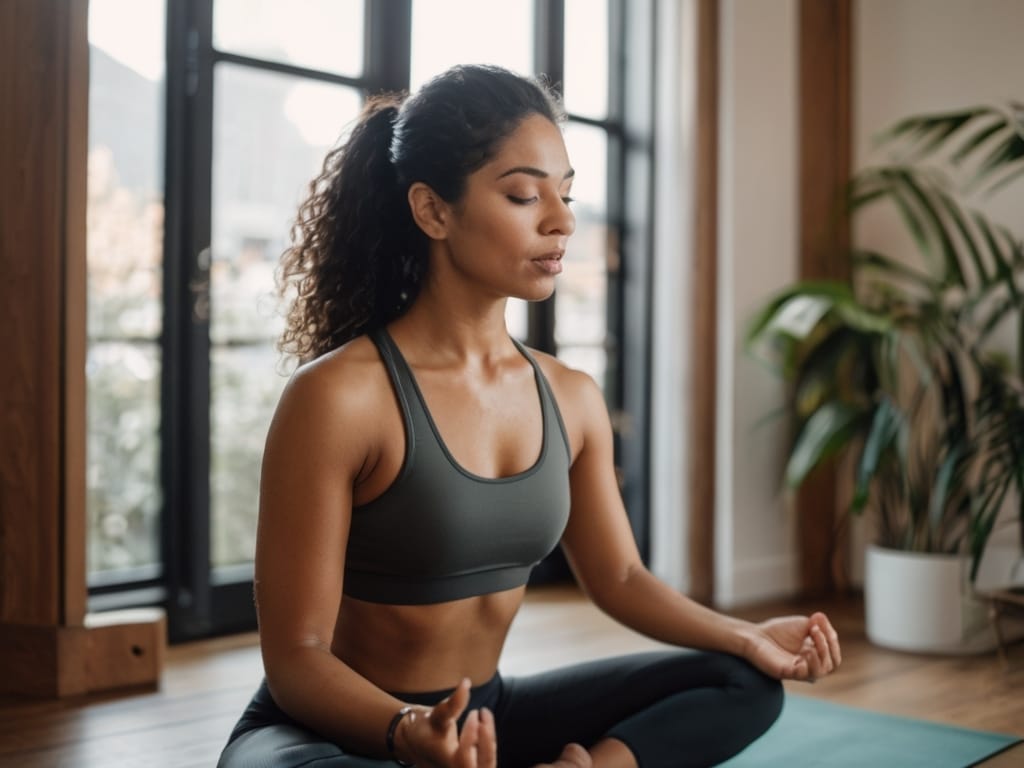
Practice mindfulness with breath-work exercises.
To experience the benefits of proper breathing, you can practice various exercises that promote diaphragmatic breathing and enhance respiratory function.
Here are three of the most famous breath-work exercises along with step-by-step instructions on how to perform them.
1. Diaphragmatic Breathing (Belly Breathing)
This exercise helps you engage the diaphragm for deeper, more efficient breathing.
Instructions:
1. Sit or lie down in a comfortable position.
2. Place one hand on your chest and the other on your abdomen.
3. Inhale deeply through your nose, allowing your abdomen to rise as you draw air into your lungs.
4. Ensure that your chest remains relatively still while your abdomen expands.
5. Exhale slowly through your mouth, allowing your abdomen to fall.
6. Repeat for 5-10 minutes, focusing on the rise and fall of your abdomen with each breath.
2. Box Breathing (Square Breathing)
It's a powerful technique used to calm the mind and regulate the nervous system.
Instructions:
1. Sit in a comfortable position with your back straight.
2. Inhale slowly through your nose for a count of four.
3. Hold your breath for a count of four.
4. Exhale slowly through your mouth for a count of four.
5. Hold your breath again for a count of four.
6. Repeat the cycle for 5-10 minutes, maintaining the same count for each phase of the breath.
3. Alternate Nostril Breathing (Pranayama)
This ancient yogic practice balances the flow of energy in the body and promotes mental clarity.
Instructions:
1. Sit comfortably with your spine straight and shoulders relaxed.
2. Close your right nostril with your right thumb.
3. Inhale slowly through your left nostril.
4. Close your left nostril with your right ring finger, then release your right nostril.
5. Exhale slowly through your right nostril.
6. Inhale through your right nostril, then close it with your right thumb.
7. Release your left nostril and exhale slowly through it.
8. Continue this alternating pattern for 5-10 minutes, focusing on the breath and the calming effect it brings.
“Inhale the future, exhale the past.”
Final Thoughts
Breath-work, the forgotten art, is a powerful tool for enhancing physical, mental, and emotional well-being.
The exercises outlined above are simple yet effective techniques that can help you harness the power of your breath and improve your overall health.
Remember, the way you breathe is a choice, and by choosing to breathe mindfully, you can transform your life in profound ways.
“Breath is the finest gift of nature. Be grateful for this wonderful gift.”
Talk to you next week.
Light and peace,
—FMV
🧠 My Mental Download:
📕 (1) What I'm reading:
🎧 (2) What I'm listening to:
🤓 (3) What I'm studying:
🤿 Keep diving and exploring:
💡 Gain insights to better understand the world.
✍️ Written by Fabíola Maia-Veres every Tuesday at 7pm.
🐝 Newsletter is powered by BeeHiiv.
💬 📝 How did it go?
Any comments, critics, or suggestions? Reply to this email or reach out on Instagram or LinkedIn. Your feedback fuels my writing.